
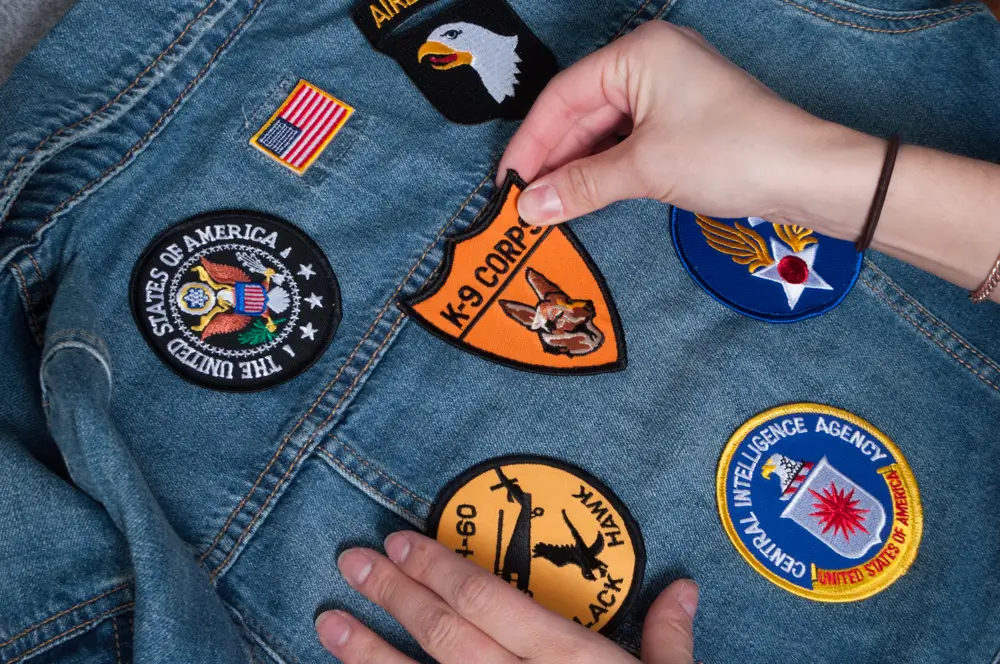
Can You Put Multiple Iron-On Patches On One Jacket?
Can several iron-on patches be applied to a single jacket? Yes, with careful matching of size, colour, position, and design, you can apply multiple patches to give a jacket a distinct style without overcrowding it.
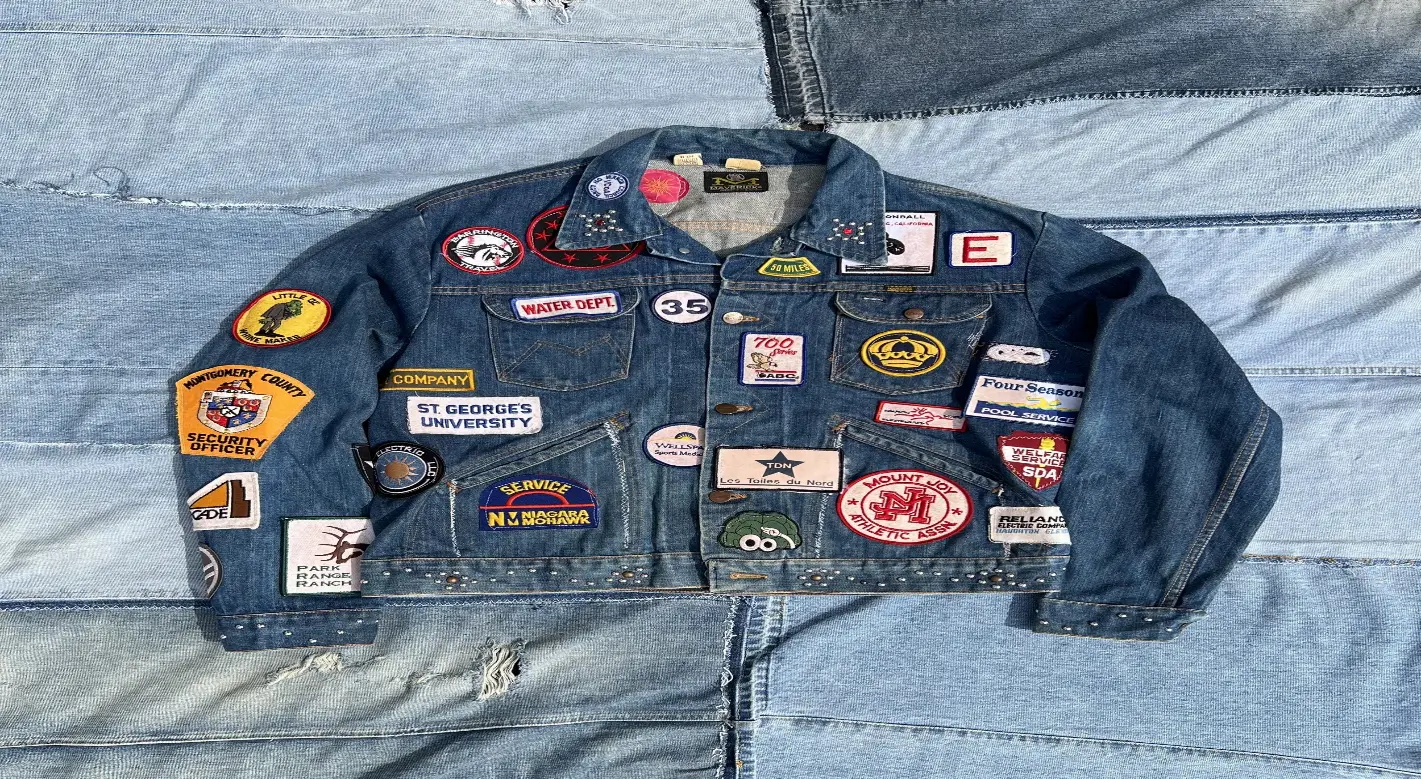
Position Creative Patches Seamlessly Across Jacket Panel Seams
Applying many iron-on patches to a single jacket is one of the best ways to spice up your style, attract attention, and rejuvenate old clothes.
Putting various colourful patches on a single garment will make an ordinary jacket a personal work of art. Many fashionistas are concerned about whether it will harm the material of a jacket or cause previous patches to peel when applying many patches at once.
The answer is – yes, it is absolutely possible to apply many patches without affecting the quality of the result. All it takes is careful planning and using the proper combination of fabrics and heat application techniques.
Following these basic principles ensures that all patches used will stay safely in place when worn every day.
Plan Balanced Placement Layouts To Avoid Overcrowded Designs
Putting together several decorative items on a jacket demands a plan so that the jacket does not become a mess but looks stylish.
Distributing your patches through natural spaces such as pockets, upper sleeves, and back panels ensures a balanced and pleasant arrangement. Spending time laying your jacket down to try different arrangements makes sure that you have good balance before you apply heat permanently.
The distribution of your items ensures that there are no big clumps of decoration that will make the material hard to wear when you move around. The balance of larger patches with small patches provides an interesting contrast.
Choose Heat-Resistant Fabrics For Lasting Adhesion
The kind of fabric that your jacket is made from has great significance in how effectively the adhesive works with the fabric fibres.
The heavyweight fabrics such as cotton canvas, wool mixes, and denim are the best options for making sure that there is enough base fabric for applying many designs.
However, synthetic materials including light nylon, polyester, and rain jackets should be approached with caution, as high temperatures might cause melting and burning of the fabric.
Using natural and robust fabrics makes sure that the heat-activated glue melts through the whole fibre of the fabric and holds permanently.
Transform Plain Denim Fabrics Into Vibrant Personal Statements
Denim jackets provide the perfect rugged canvas for unique multi-patch work due to the strong hold of melted glue on the tightly woven cotton fabric. Attaching colourful patches to the front and back parts of a denim jacket is a quick way to make a retro-style fashion statement.
Deciding to customise a denim jacket with iron-on patches gives people an opportunity to showcase their individual style and interests through various hobbies and past memories.
Denim’s natural stiffness makes it easy to carry heavy embroidered designs without bending or distorting. Moreover, denim can handle high temperatures when ironing, thus guaranteeing a strong, permanent attachment of the glue to the fibre material.
Space Out Heat Application Times To Prevent Overheating
Repeated application of heat to certain spots will affect the fabrics that lie below them and will also cause damage to the glue backing of the already applied patches.
If more than one design is used on a particular clothing item, working in stages helps avoid the buildup of heat at any one spot. Each part should be allowed to cool down before another part is ironed to keep the glue strong and keep the fabrics intact.
Systematic work on various panels of the jacket will ensure that the previously applied patches are not disturbed in any way when new patches are attached to them.
Select Premium Quality Patches To Elevate Overall Appearance
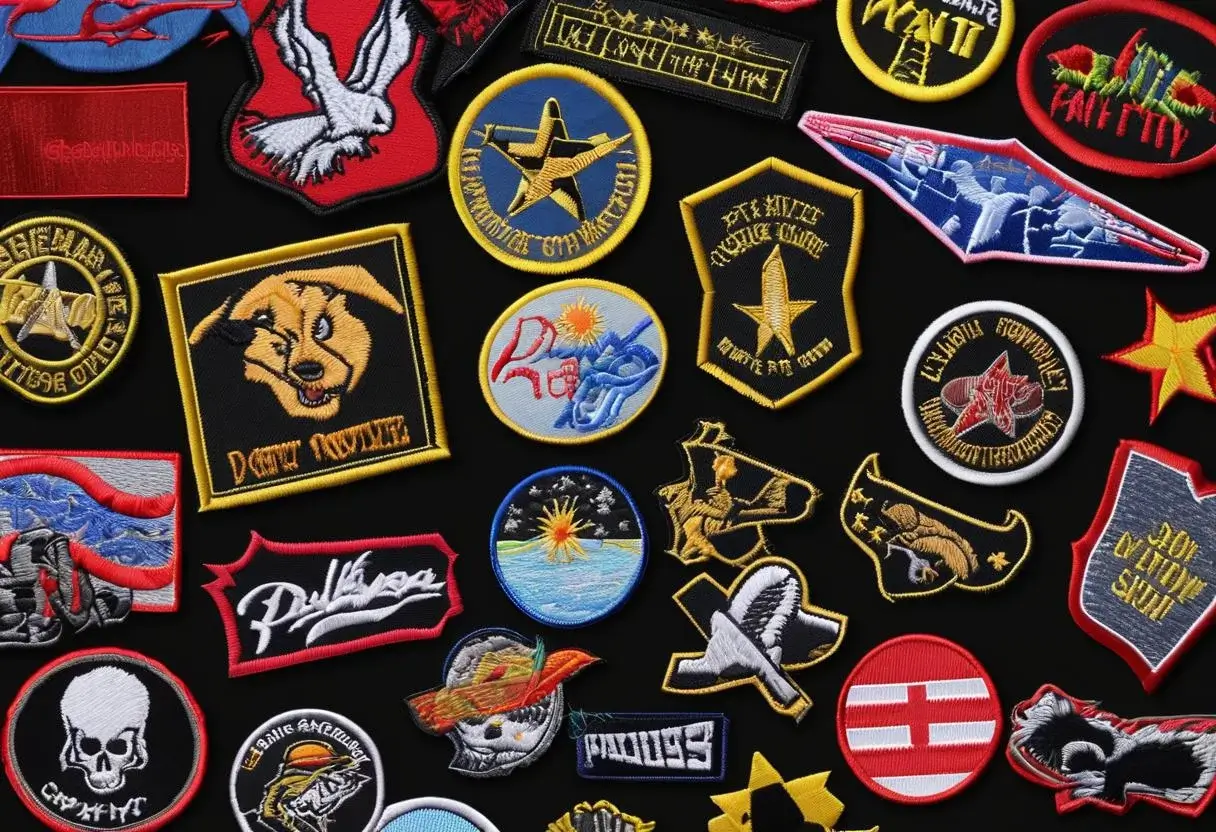
The appearance of a jacket that has multiple patches is dependent on the quality of the individual patches that will be used. High-density stitching, neat borders, and colourfast threads can easily distinguish the quality of the final product.
Using premium iron-on patches for the best fashion look transforms simple jackets into exquisite boutique pieces. The backing material fuses seamlessly with the heat of the iron to create a flat and smooth surface.
Protect Intricate Fabric Surfaces Using Protective Pressing Cloths
Close contact between the hot iron plate and the delicate embroidery threads may cause the burning of the fibres, melting of artificial threads, or shiny marks from heat. The placement of a thin piece of fabric, like a pillowcase, cotton cloth, or parchment paper from a baking sheet, over the design helps to protect both the patches and the fabric of a jacket.
Pressing down with firm overhead pressure will help to avoid the movement of the iron on the design and ensure even melting of the adhesive. Leaving the iron in one place for twenty to thirty seconds will create a strong bond between all edges.
Order Custom Iron-On Patches For Unmatched Quality
Creating individual and long-lasting patches that are suitable for the particular vision is very important in the process of designing a multi-patch garment.
The local providers have a wide selection of custom shapes, exclusive artwork, and high-quality adhesive backing that is designed for creating strong bonds between fabrics. Custom iron on patches UK ensures quality manufacturing with durable heat-activated glue that can survive the temperature of European laundry machines. Local manufacturing gives the chance to use unique designs to turn personal artwork into stunning embroidered badges.
Expert Answers On Customising Your Denim Jacket
Are iron-on patches safe to use on leather jackets?
Using direct heat from a common iron to fix patches may cause melting, burning, and discolouring of genuine and faux leather. For the safe placement of decorative elements, applying fabric glue or sewing the patches directly to the jacket is advisable.
How can you wash a jacket that contains patches?
To protect the patches from friction during washing, the jacket needs to be washed inside out. The clothing is supposed to be laundered on a delicate cycle in cool water and dried naturally, without the use of a hot dryer.
What to do when one of the patches starts to peel at the corners?
To fix peeling patches, place a piece of cotton fabric over the lifting part and iron it with a hot iron for about fifteen to twenty seconds. If the glue underneath it has been destroyed by time, use some fabric glue under the lifted part or add some stitches to hold it permanently.
What is the maximum number of patches for one jacket?
There isn’t any limit, but if more than half the jacket is patched up, it can become stiff and hard to wear. Patches should be spread evenly around pockets, sleeves, and rear panels of the jacket to preserve both comfort and appearance.
Are iron-on patches permanent once heat is applied?
Once the patching process is done properly using adequate heat and cooling periods, a strong and permanent bond is formed due to heat-activated adhesive backing.
Conclusion
Adorning one jacket with several iron-on patches provides great fun and is an excellent idea for converting a regular jacket into a fashion piece.
The key to success is the choice of strong and heat-resistant materials for the base, as well as proper layout of images on various parts of the garment.
Proper time control, use of protective cloths, and steady pressure from above will guarantee perfect adhesion of the backings to the fabric fibres. By following simple guidelines, one can create a unique jacket with patches that will remain beautiful and durable for many years.

As a fashion designer at Iron On Patches UK, I help businesses and people create custom iron-on patches. I help them with what I know about designing patches and what materials to use. I also talk about how to apply patches to different things and what’s popular in the patch world. My goal with the Iron-On Patches UK blog is to help people make premium patches that show their unique identity and how these patches can be a part of their brand. The Iron-On Patches UK blog is here to make it easy for people to customise their patches.