
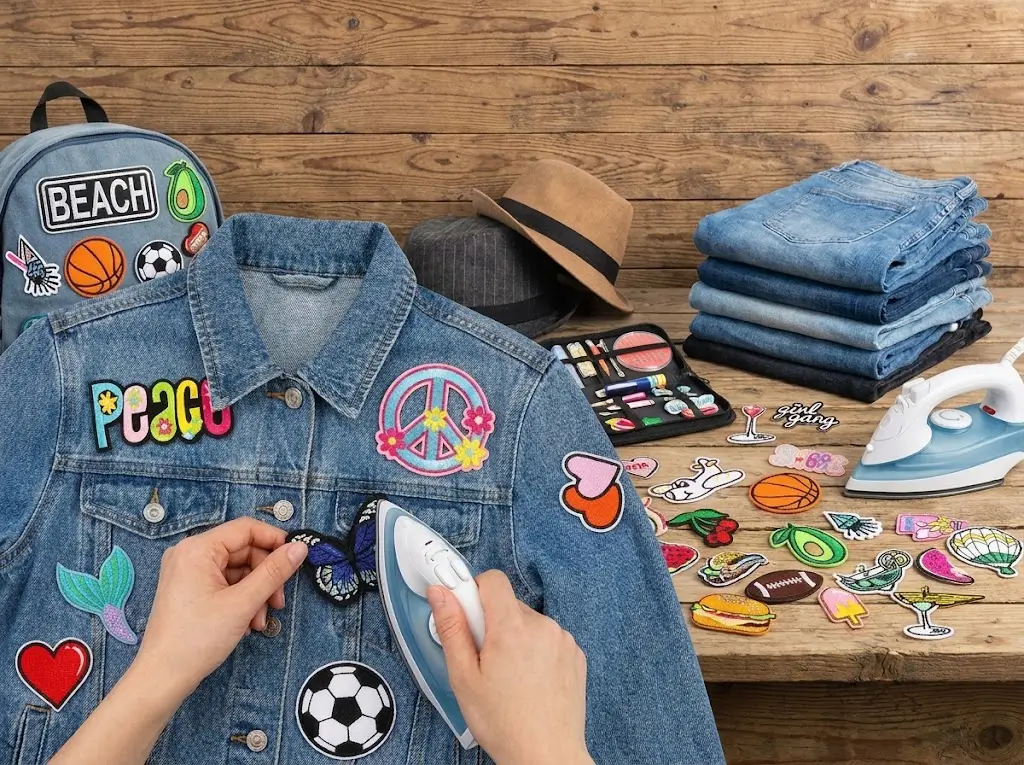
How Premium Iron-On Patches Enhance Your Everyday Clothing
What makes a good quality iron-on patch? A good quality iron-on patch is made using good materials, has superior stitching, bright colours, sharp edges, and reliable heat-sensitive glue.
Connecting Craftsmanship With Durability In Iron-On Patches
Have you ever tried putting a newly acquired patch on your favourite jacket, only to see its edges start peeling off after one wash? It is an annoying situation where an elegant update becomes an embarrassing flop.
But not all iron-on patches are made the same, and sometimes the only thing that can separate a cheap patch from an excellent craft product is what is underneath.
Understanding the differences between great patches and poor patches not only saves time but helps protect clothing while keeping designs crisp for years to come. Discover the specific characteristics that help create patches that are durable, bright, and reliable for everyday use.
High-Density Embroidery Protects Your Designs From Fraying And Fading
The best patch starts with a dense and compact stitching pattern that secures all details in place. Low-end patterns tend to be thin, and there will be visible gaps, making individual strands easier to catch and unravel during normal wear.
The high thread count is crucial for premium craftsmanship, as it guarantees that the intricate logo and artwork stay crisp and sharp even with heavy usage. If the thread density is consistent throughout the fabric, colours will retain their vibrancy and won’t fade when exposed to direct sunlight.
In addition, the dense stitching provides a sturdy, unbreakable construction, which prevents bending out of shape. A design based on rich, heavy thread work means that your garment will look polished and fresh forever.
Industrial-Grade Heat Adhesive Prevents Edge Lifting After Repeated Washes
The glue on the back of a patch determines if it will stay attached or fall off during normal laundering. Low-grade adhesives melt too rapidly when subjected to heat, and the bond is not strong enough; once the fabric is exposed to water, the bond weakens.
Superior designs have extra heat-activated poly adhesive layers that penetrate into the cotton or denim fibers. Companies often use custom iron-on patches for business branding because reliable adhesion keeps employee uniforms looking neat through constant washing.
This strong adhesive layer ensures a consistent bond between the edges, with no corners being left to peel away or get stuck on other items.
Merrowed Borders Lock Structural Integrity Into Every Single Edge
The outer edge of a patch forms the main barrier to wear and tear. A merrowed border is a thick continuous thread that is merrowed all around the outer edges of the fabric, enclosing all raw edges with a smooth protective rim.
If it is not protected by this border, the base backing unravels easily, and the design becomes soft and flattens out. Good patches have sharp edges that are clean and tightly wrapped into the bag, and absorb physical pressure when clothing comes into contact with bag straps, seats, or outerwear.
This robust structure helps to uphold the original shape of the art, guaranteeing that the entire piece remains flat on the apparel.
Premium Backing Materials Ensure Structural Flexibility Without Fabric Stiffness
The perfect patch should stretch and flex with the motion of your clothing without breaking and without giving you the uncomfortable feel of wearing a piece of cardboard on your chest.
Top manufacturers use a well-balanced backing material which include tough materials like twill and canvas, offering strength while remaining flexible at the same time. A well-engineered base ensures iron-on patches last longer and look better with continuous movement over the years. Cheaper options have less durable plastic backings that tend to snag when folded, leaving sharp edges that detract from the beauty. A soft, premium base gives the design a natural drape that makes it extremely comfortable for everyday wear.
Vibrant Colourfast Threads Maintain Bold Visuals Through Heavy Sunlight Exposure
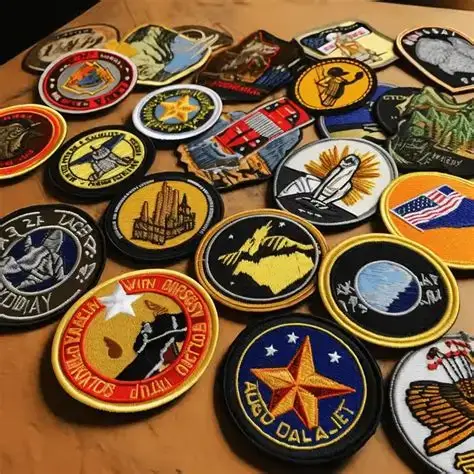
A good indicator of quality engineering in woven and embroidered patches is how well their colours hold. Lower-priced products use inexpensive cotton threads that discolour over time and fade with multiple washings. High-quality items are made with ultra-strong polyester or rayon threads that are treated to block out ultraviolet rays and strong detergents.
This means that bright reds, crisp whites, and deep blues will not run into the other garment fabric surrounding them. By investing in fade-resistant thread options, you can be sure that your clothes will look bright and vibrant for everyday wear.
Precision Laser Cutting Delivers Clean Lines For Complex Shapes
With designs that include detailed contours, sharp corners, and inner cutouts, regular scissor cutting won’t give a clean cut. A modern precision laser cutting machine perfectly seals the edge of the base fabric and cuts out the specific shape of the work.
This method helps remove any loose wisps of thread and ensures that each curve is the same as the original drawing. Smart designers often create personalised iron on patches for jackets, backpacks, and hats for a personalised, polished, professional appearance that really pops. The laser trimming ensures clean edges and sharp designs, avoiding the frayed look common with cheaper products.
Common Questions About High-Quality Custom Patches
How long does a good quality iron-on patch stay on clothing?
If properly applied with appropriate heat and pressure, a good-quality patch lasts until the end of the product life cycle. The heat-activated adhesives in premium patches bind to the fabric threads and can withstand up to several dozen normal washing sessions without detaching from the edges.
Can you put iron-on patches on all types of fabrics?
Iron-on patches work well with heat-resistant fabrics such as cotton, denim, canvas, and polyester blends. These patches must not be used on delicate synthetics like nylon, silk, or vinyl because the high heat needed to melt the adhesive will burn the delicate fabrics.
Should I sew the iron-on patch to ensure it stays in place?
Though premium quality heat adhesive creates a strong bond by itself, a simple stitch along the edge will give you additional confidence. Such sewing will keep the patch from lifting even on high-use products such as work jackets and motorcycle vests.
How to recognise whether a patch utilises cheap threads?
Cheap threads usually appear dull and rough, and their threads will look loose and frayed at their edges. Threads of poor quality also fade when exposed to moisture or sun, while high-quality polyester threads stay shiny, smooth, and colourful even after multiple washings and sunny days.
What temperature is required for patch application using an iron?
The majority of high-quality heat adhesives work completely in the temperature range from 150°C to 170°C (300°F to 340°F). By using the standard iron at the dry cotton temperature setting without steam, it is necessary to apply strong pressure for 20 to 30 seconds.
Conclusion
A truly exceptional iron-on patch is one that features a high thread count, edge protection, flexibility of the backing, and a strong heat-activated adhesive.
With the precision stitching and industrial-grade glue layers in their designs, you can guarantee your clothes stay crisp and professional even after numerous laundry cycles and daily use.
High-grade materials will fit better on jackets, hats, and bags, and will last much longer through the stresses of everyday use without fraying or peeling away. The time you put into choosing well-made patches will save you money in the long run and help you maintain your style. Upgrade your wardrobe with confidence by choosing top-tier iron-on patches designed to last.
As a fashion designer at Iron On Patches UK, I help businesses and people create custom iron-on patches. I help them with what I know about designing patches and what materials to use. I also talk about how to apply patches to different things and what’s popular in the patch world. My goal with the Iron-On Patches UK blog is to help people make premium patches that show their unique identity and how these patches can be a part of their brand. The Iron-On Patches UK blog is here to make it easy for people to customise their patches.